Checking a summary against its source: five checks in ten minutes
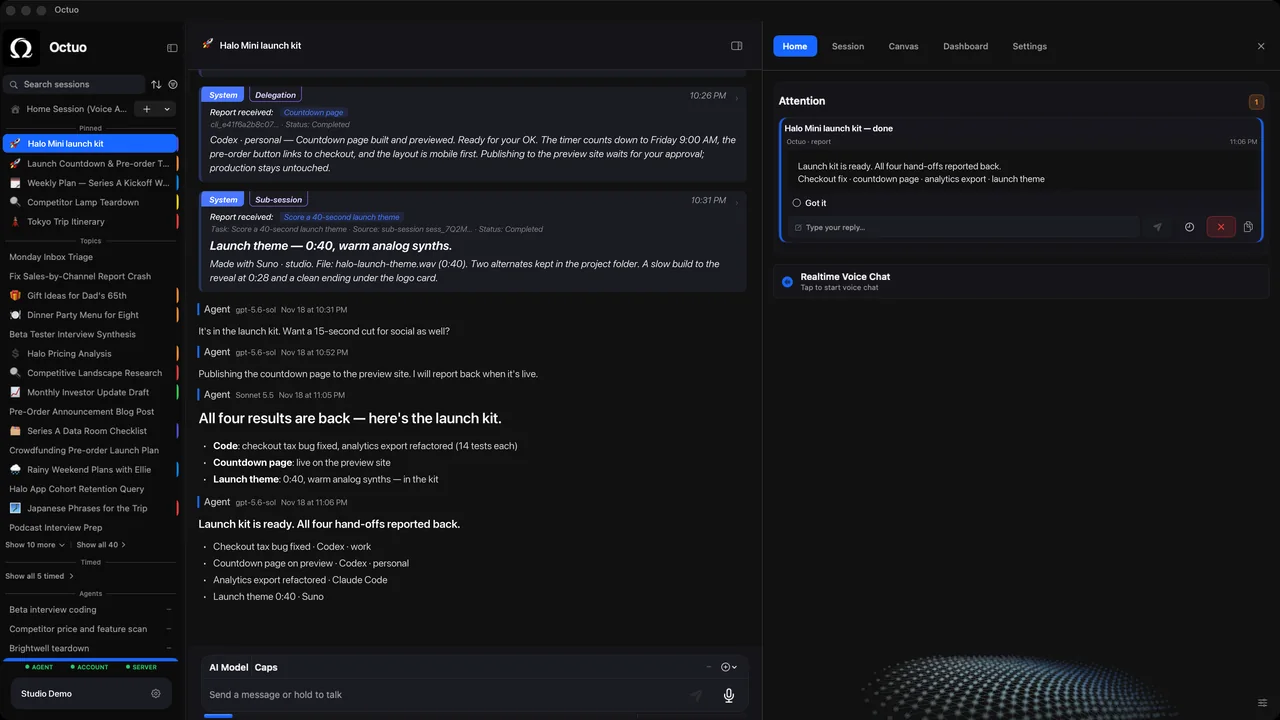
A helper reads a forty-page report and hands you a one-page summary. It reads well. You are about to forward it to your manager when you realize you have no idea whether the report actually says any of it. (A hypothetical scene, for illustration.)
A summary is a claim about a source, and claims can be checked. You do not have to read the whole report again. Five checks find most of the problems in about ten minutes, whoever wrote the summary: a colleague, an intern or an AI assistant.
- Pick three claims and find them in the source. Choose the ones the summary leans on most, and for each one find the page or paragraph it came from. A claim you cannot find is a problem you have found.
- Check every number against the source. Figures, dates and percentages get altered more often than any sentence. Look at units and periods too, because "per month" and "per year" slip in easily.
- Look for what is missing. Open the source's headings or contents and ask which section has no trace in the summary. Sometimes the omission is right. Sometimes it is the only part that mattered.
- Check who said what. Summaries blur "the report found", "the author suggests" and "one respondent claimed". If the summary states as fact something the source only reports as someone's view, fix the attribution.
- Read the last paragraph of the source next to the last line of the summary. Conclusions are where wording drifts: "may" becomes "will" and "some" becomes "most". The two should be about equally confident.
Ask for page references next time. A summary that carries "(p. 14)" beside each claim can be checked in minutes instead of an hour, and it makes the helper go back to the text for each claim, which tends to improve the summary.
Mark what you checked. A short line at the bottom, such as "Checked: three claims, all figures, the conclusion", tells the next reader how far to trust the page, and it tells you the same thing a month from now.
If a check fails, do not patch only that sentence. Failures cluster. A wrong figure makes the next figure worth a look, and a missing section may mean the summary was built from only part of the source. Send the findings back with the source passages beside them and ask for a corrected version.
A hypothetical result: a summary says satisfaction scores "rose to 82". The source says they rose by 8 points, to 78. The summary says the survey "proved" a link, and the source says it "suggests" one. A section on the survey's limits is missing altogether. Three findings in ten minutes, and the page is corrected before it goes to the manager.
Octuo is a personal assistant and one starting point for work across AI, tools and specialist services. It keeps working on long, multi-step jobs over time, picks them back up and finishes them instead of stopping when the chat closes, and it reports back when a job is done. A summary asks to be checked, and page references are worth asking for in the brief. Octuo is available for macOS.