When one helper's output feeds another's input: three checks at every handover
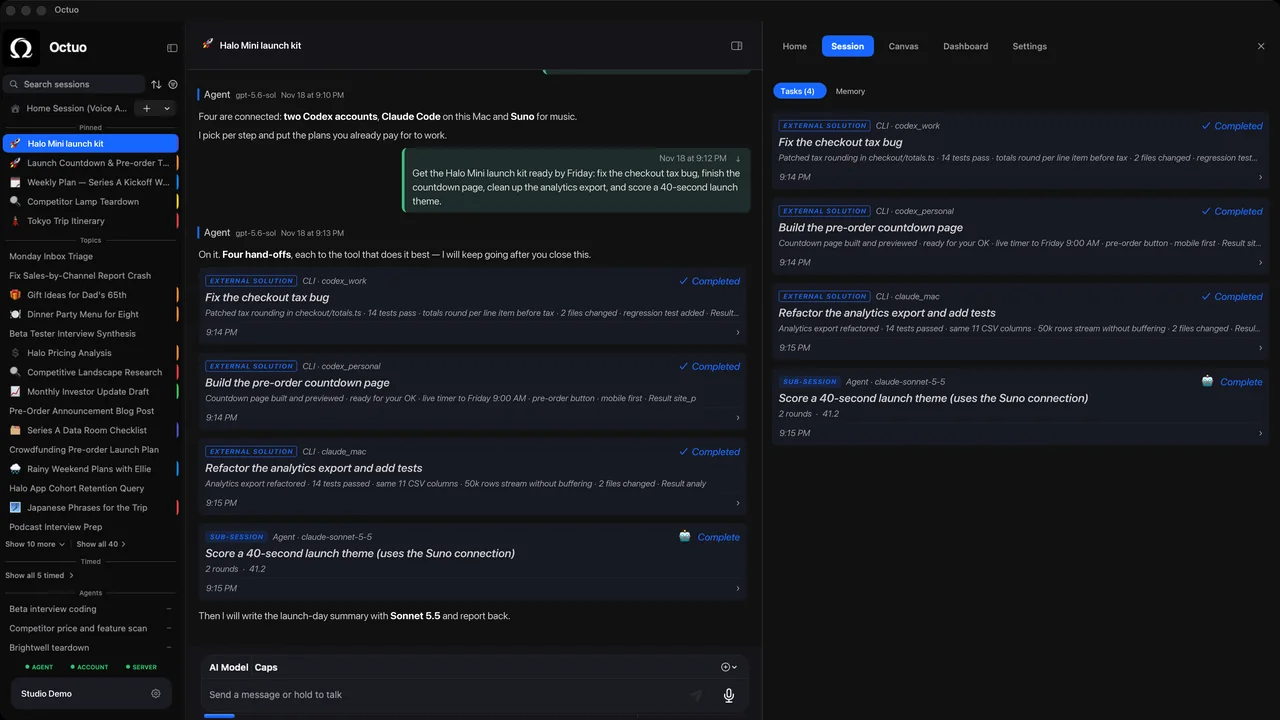
One helper gathers the figures. A second drafts the report from them. Each did exactly what was asked, and the report is still wrong, because the first handed over a column of percentages and the second read it as raw counts. Neither made a mistake. The mistake lived in the gap between them.
Whenever one piece of work feeds the next, there is a handover point, and most surprises in a multi-step job happen there. Three checks at every handover catch the usual ones. They work whether the helpers are colleagues, tools or AI assistants. The examples are illustrative.
Check 1: Is the shape what the next step expects?
Format, units, columns, file type, language and naming. The shape the first step produced is rarely the shape the second step wanted, unless someone wrote it down. Put the needs of the receiving step into the brief of the first: "Give me one row per order, dates as day, month and year, and a header row with these five names." Whoever receives the result should be able to use it without reshaping it.
Check 2: Is it all there?
Compare a count going out with a count coming in. "Forty-two rows sent, forty-two rows received" takes seconds, and it catches truncated files, missed pages and half-finished runs. Ask for the count in the handover note, and ask the receiving step to confirm it before it begins.
Check 3: What did the first step assume?
Every step makes quiet assumptions: which time zone, which currency, what counts as an active account, which version of a document. Each assumption is a promise the next step may break. Ask the first step to list its assumptions in a few lines, and ask the next step to read them before it starts.
Write the handover note once
Use a four-line note at every handover: what this is, how many of it there are, what was assumed and what to look at first. It should take two minutes to write and one minute to read. Keep the same four lines every time, so that a missing one is obvious.
Decide who checks each handover
A sensible split: the sender states the count and the assumptions, and the receiver checks the shape and the count before starting. If both assume the other is checking, nobody is. Write the rule into the brief for each step, in one sentence.
Keep the middle visible
When the final result looks wrong, you need to see what the middle looked like. Keep the output of each step until the job is accepted, named so that it is clear which step produced it. An intermediate file that takes a few seconds to keep can save an afternoon of guessing.
A hypothetical two-step job
Step one collects event sign-ups from a form and passes them on. Step two writes the attendee list. The handover note says: "Sign-ups, 86 rows, times in Pacific, 'confirmed' means the confirmation box was ticked, check the 'plus one' column first." The second step counts 86, sees that the list is meant to use Eastern times, and asks before building it. The question takes a minute, and the list goes out right the first time.
Where Octuo fits
We're the Octuo team. Octuo is a personal assistant and one starting point for work across AI, tools and specialist services. For work you hand to external solutions such as Codex or Claude Code (named only as examples; no partnership or endorsement is implied), it coordinates the accounts you have connected and authorized, assigns the tasks, carries the context each one needs, tracks progress and gathers the results. It reports back when a job is done. A handover note at each point where one step feeds the next is worth writing into every brief. Octuo is available for macOS.